
Teaching with Intention: Building Character, Curiosity, and Confidence in Primary Learners
Teaching young learners goes far beyond delivering academic content. It is about shaping habits, attitudes, and ways of thinking that influence how children approach both learning and life. In primary classrooms where students explore English, Mathematics, Science, and other subjects, learning becomes a foundation not only for knowledge but also for character development.
Young children do not learn solely by listening to instructions (they learn by observing). Every interaction in the classroom, even the smallest gesture, can influence how a child chooses to act, respond, or think.
Learning itself is broad and dynamic. It extends beyond textbooks and lives in everyday experiences and interactions within the classroom. When learning is approached in this way, the classroom becomes more than a place for completing lessons. It becomes a space where curiosity grows, relationships develop, and students begin to see learning as an active and engaging process.
1. Modeling Before Teaching
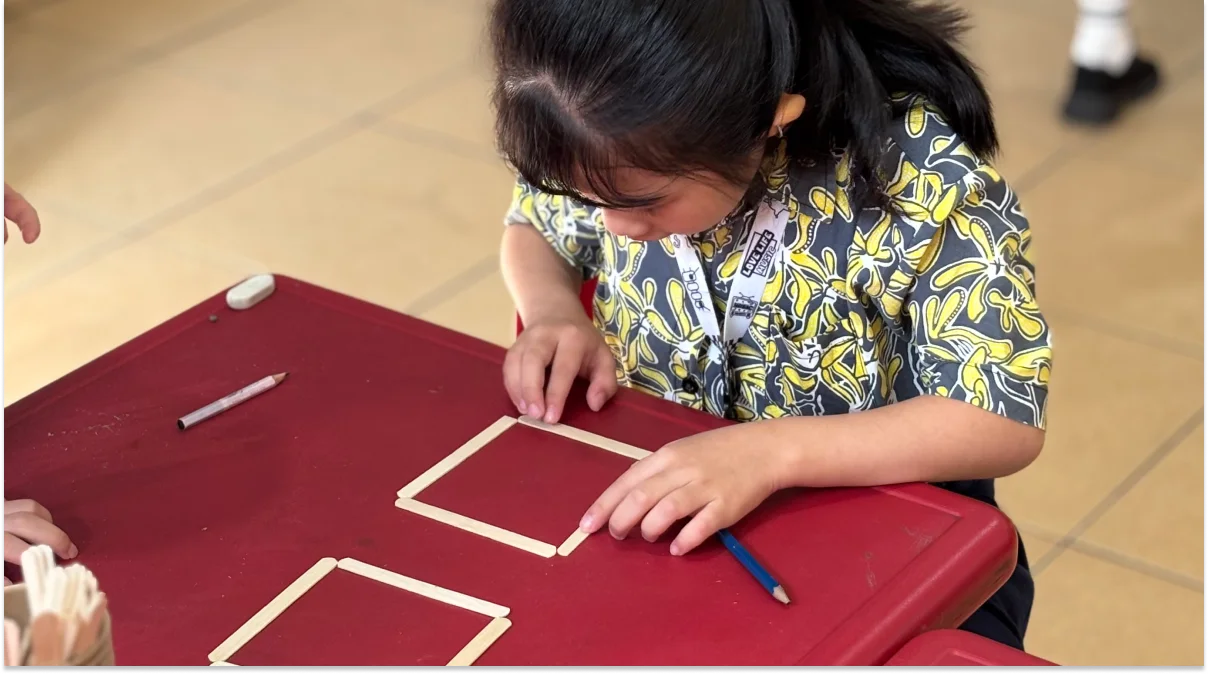
Students often learn values through example before they fully understand them through instruction. Respect, discipline, curiosity, and responsibility cannot simply be explained; they must be demonstrated consistently.
When teachers respond thoughtfully, listen attentively, and show genuine interest in students’ ideas, they model the attitudes they hope students will develop. These small moments teach children how to treat others, how to communicate respectfully, and how to approach learning with curiosity.
Simple encouragement such as “Nice!” or “Good job!” may seem small, but when expressed sincerely, it helps students feel supported and motivated to keep trying. Through consistent modeling, the classroom becomes a place where positive learning behaviors naturally develop.
2. Every Voice Matters
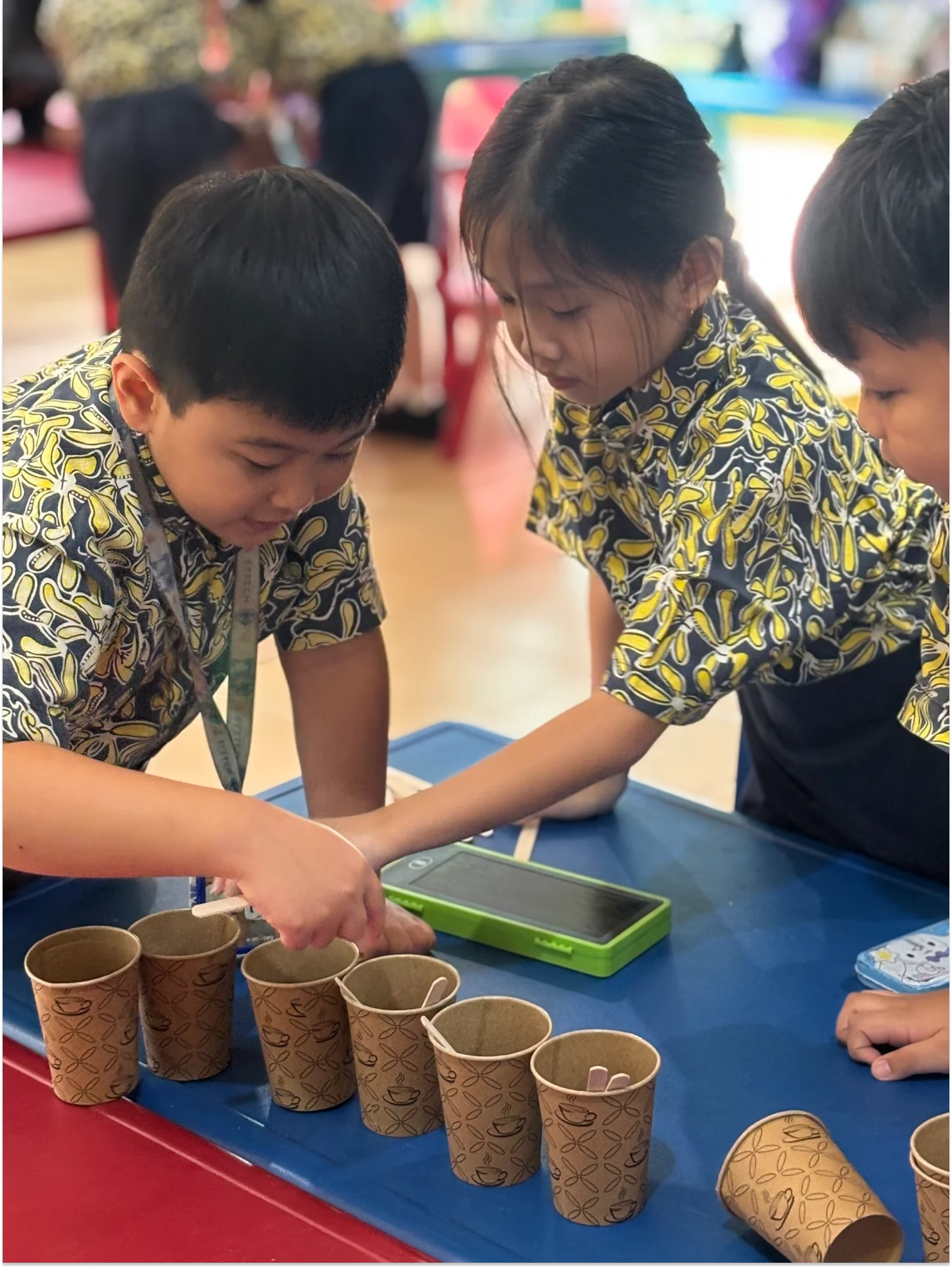
A classroom should be a place where every student feels heard. Young learners often have stories, ideas, and perspectives they are eager to share. Even a short sentence deserves recognition, and every report deserves thoughtful feedback.
Feedback is not merely evaluation; it is a form of guidance that supports growth. When students know that their thoughts are acknowledged, they begin to develop confidence in expressing their ideas. A safe and supportive environment encourages children to speak, respond, and interact more freely.
Through these interactions, thinking skills gradually develop. Students learn that their voices have value and that learning is a collaborative experience.
3. Playful Yet Purposeful Learning
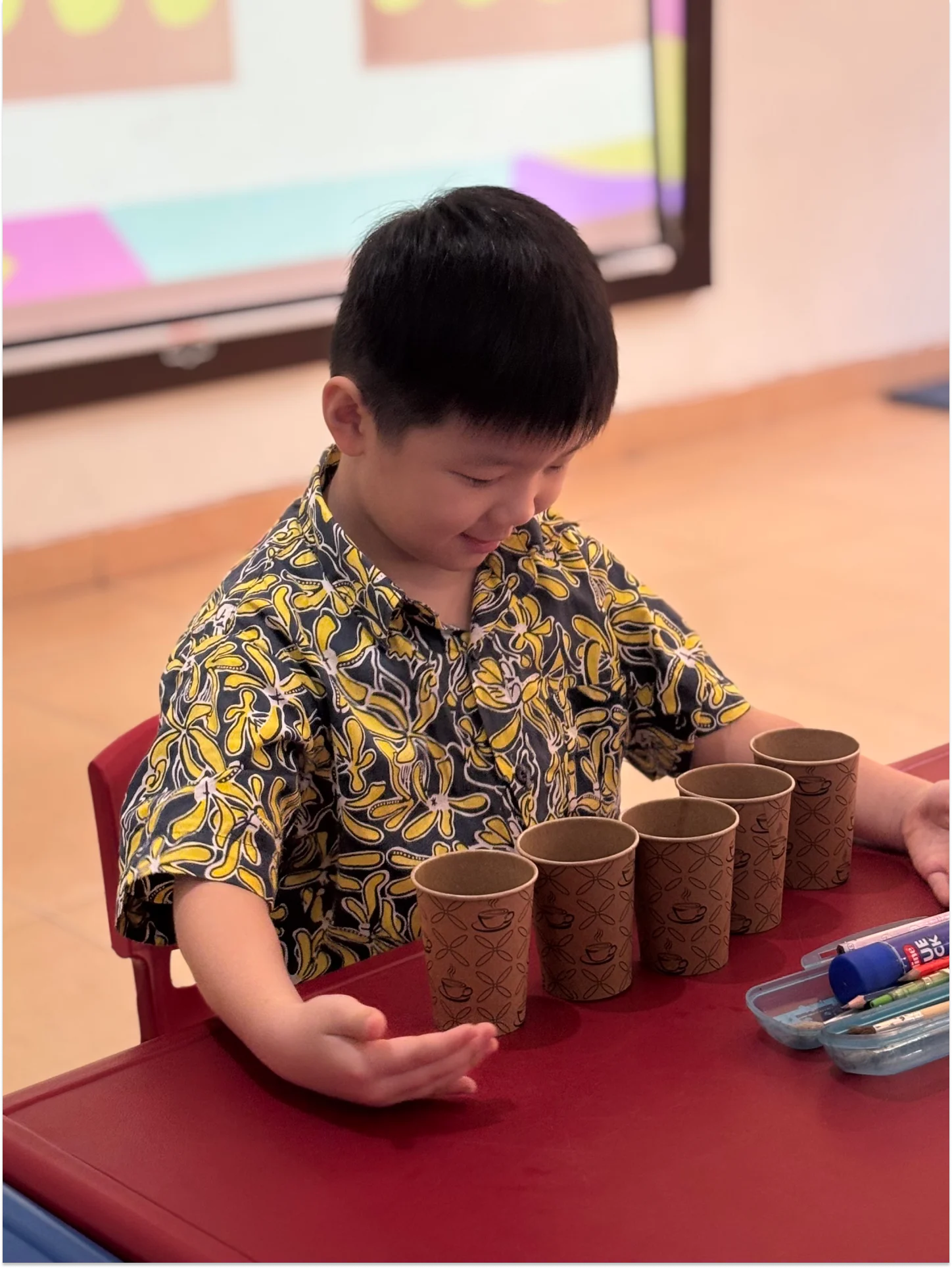
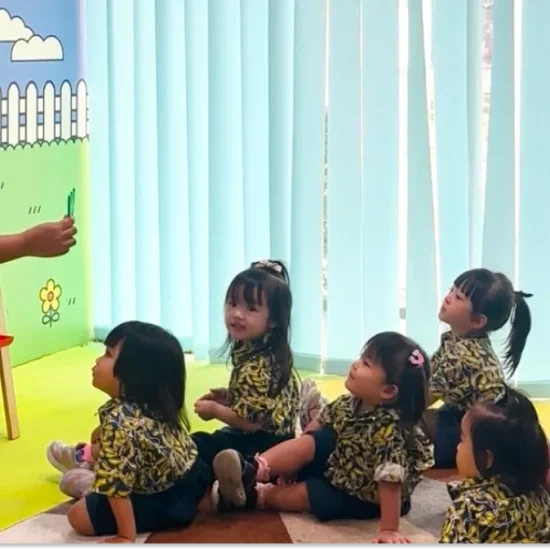
In primary classrooms, students still expect a playful and active learning environment, while teachers must simultaneously guide them toward structured academic learning. Balancing these two aspects can sometimes be challenging.
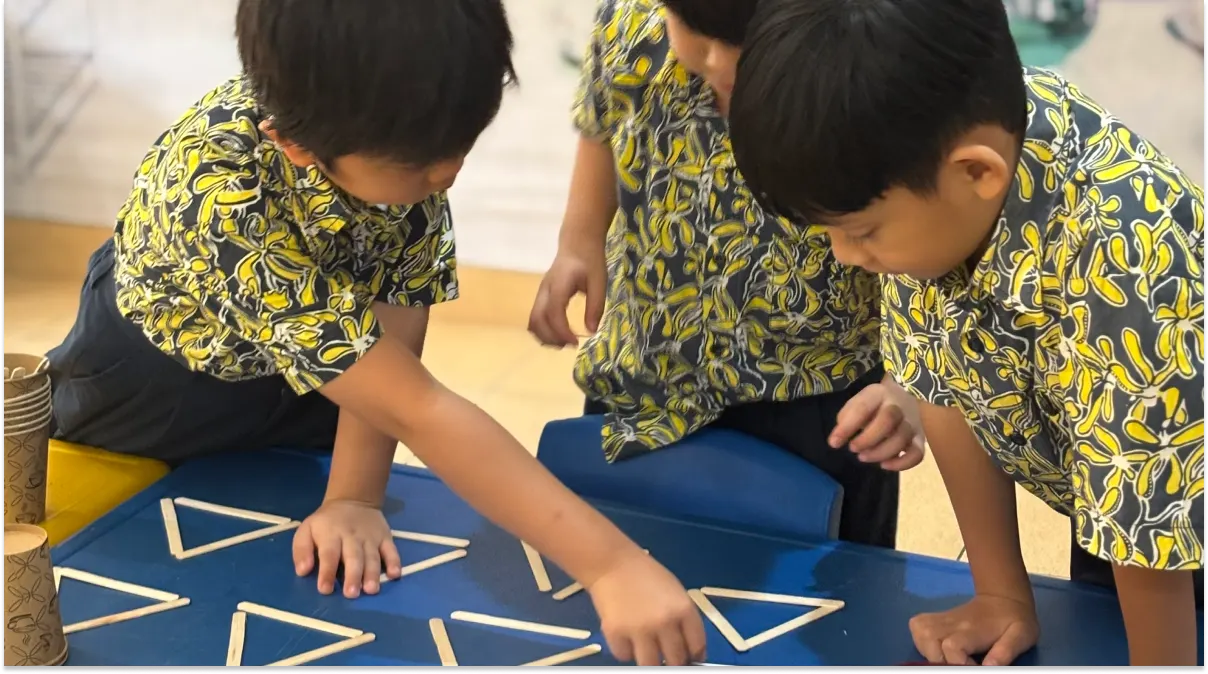
Play-based learning often proves to be a powerful approach. Games, movement, and collaborative activities allow children to engage both physically and cognitively. Rather than reducing academic seriousness, these activities often deepen understanding. Students think, discuss, solve problems, and stay actively involved in the learning process.
Movement also supports focus and memory. When children move, they think more actively. When they enjoy learning, they remember it more effectively.
As Maria Montessori once said:
“Play is the work of the child.”
Play is not separate from learning; it is one of the most natural ways children make sense of the world around them.
4. Encouraging Risk-Taking and Open Thinking
Some subjects have clear and structured answers, but others invite exploration and discussion. Topics involving global issues, real-world situations, and sequences of events provide valuable opportunities for students to think openly.
Questions such as “Have you ever been…?”, “Do you know why…?”, “What if…?”, and “What do you think?” encourage curiosity and reflection.
Rather than accepting “I don’t know” as the end of thinking, students are encouraged to explore their ideas and share their perspectives. Children naturally think creatively and are often willing to take intellectual risks.
The role of the teacher is not to limit these ideas but to guide them. A balanced classroom environment provides freedom within structure (allowing exploration while maintaining clear academic goals).
5. Connecting Learning to the Real World
Learning becomes more meaningful when students see its relevance to their daily lives. Mathematics is not simply about numbers; it is about solving real problems. English is not only grammar, but it is also communication. Science is not merely memorizing facts; it is understanding how the world works.
When students understand the purpose behind what they are learning, motivation grows. When they see connections between lessons and real-life experiences, engagement becomes stronger and more authentic.
Teaching primary students is not only about completing a syllabus. It is about nurturing curious, confident learners who feel safe to explore ideas and develop independence in thinking.
Education is ultimately a process of growth. When teachers model respect, curiosity, and thoughtful engagement, students learn to do the same.
Students may forget specific lesson content over time, but they will always remember how their learning environment made them feel. That feeling of encouragement, safety, and curiosity often becomes the foundation for lifelong learning.
“At SIS Palembang, this intentional approach to teaching ensures that every primary learner grows not only academically, but also in character, curiosity, and confidence—preparing them to thrive in school and beyond.”
Ms. Tri Puja Lestari