
Building Collaborative Learning to Support Students’ Growth
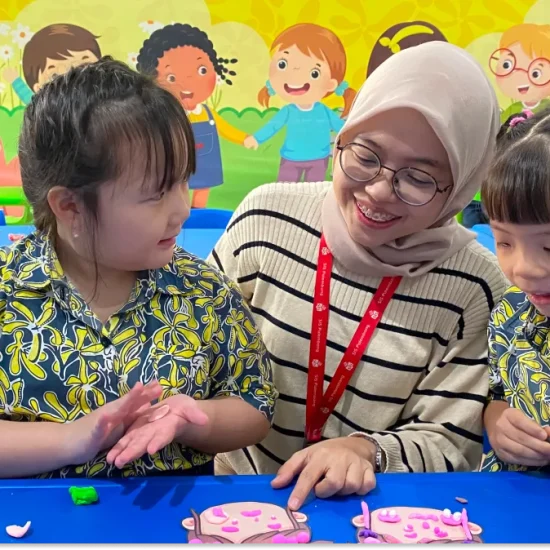
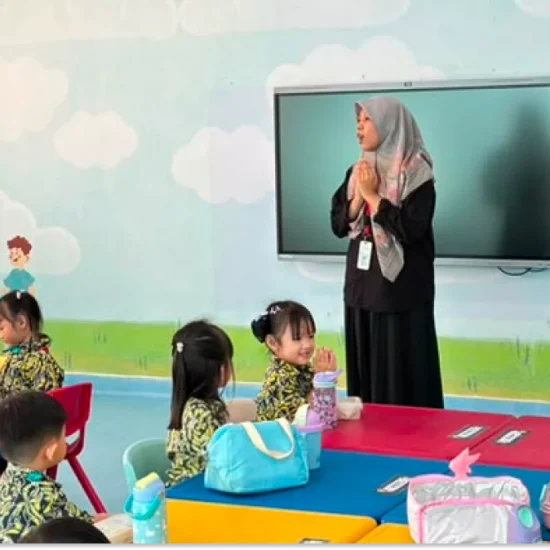
As a Primary 1 teacher at SIS Palembang, creating a warm and enjoyable classroom environment is an important part of daily teaching. A comfortable classroom helps students feel safe to ask questions, share their ideas, make mistakes, and learn together with their friends.
Every student has different abilities, personalities, and learning styles. Because of this, different activities are provided so students can participate and learn in their own ways.
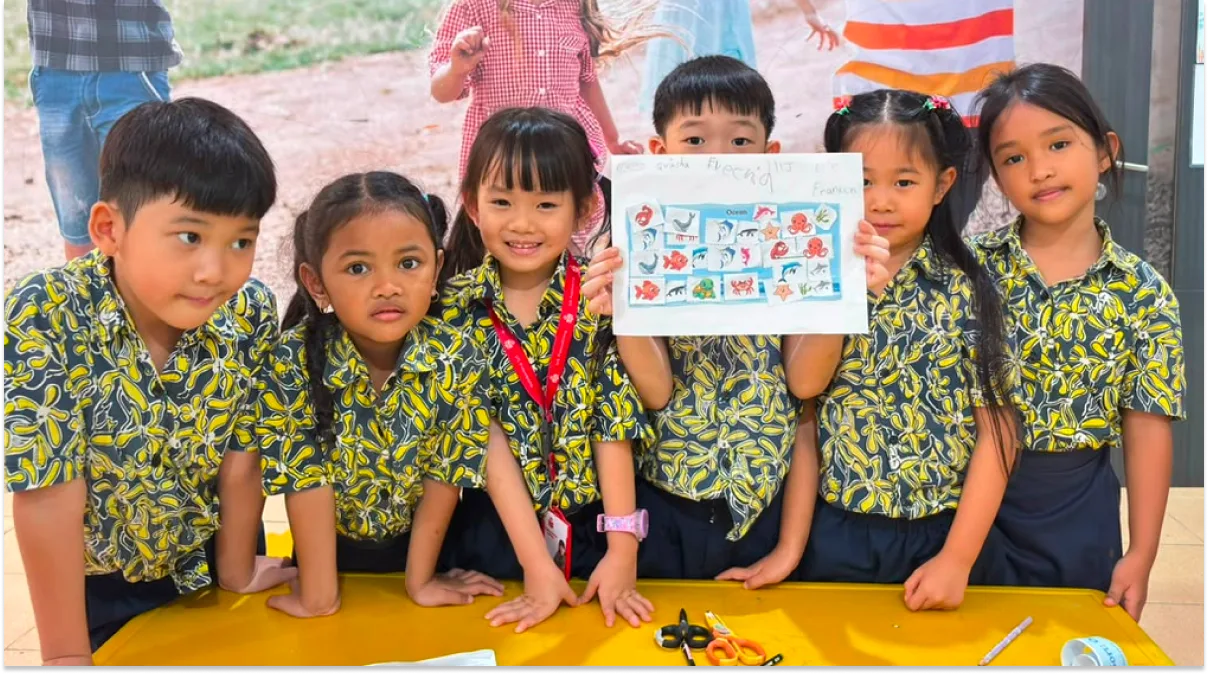
One of the ways used in the classroom is collaborative learning through small group activities. Students work together with friends who have different strengths and abilities. Through group work, students learn how to help each other, share ideas, and complete tasks together. They also learn that every member has a role and can contribute to the activity.
During discussions and question-and-answer sessions, every student is encouraged to participate. The focus is not only on students who are confident or answer quickly, but also on students who need more time to share their thoughts. This helps them become more confident and understand that their ideas are important.
One activity that is often done in class is reviewing previous lessons. This is usually done before starting a new topic or at the end of the lesson. Through this activity, students can remember what they have learned, while the teacher can see their understanding of the topic.
The review activity is usually done through simple questions or educational games such as Wordwall. Students enjoy answering the questions and joining the activity. When some students are very excited to answer many questions, they are reminded to give their friends a chance to participate too. Through this experience, students learn to respect each other, share opportunities, and support their friends during learning.
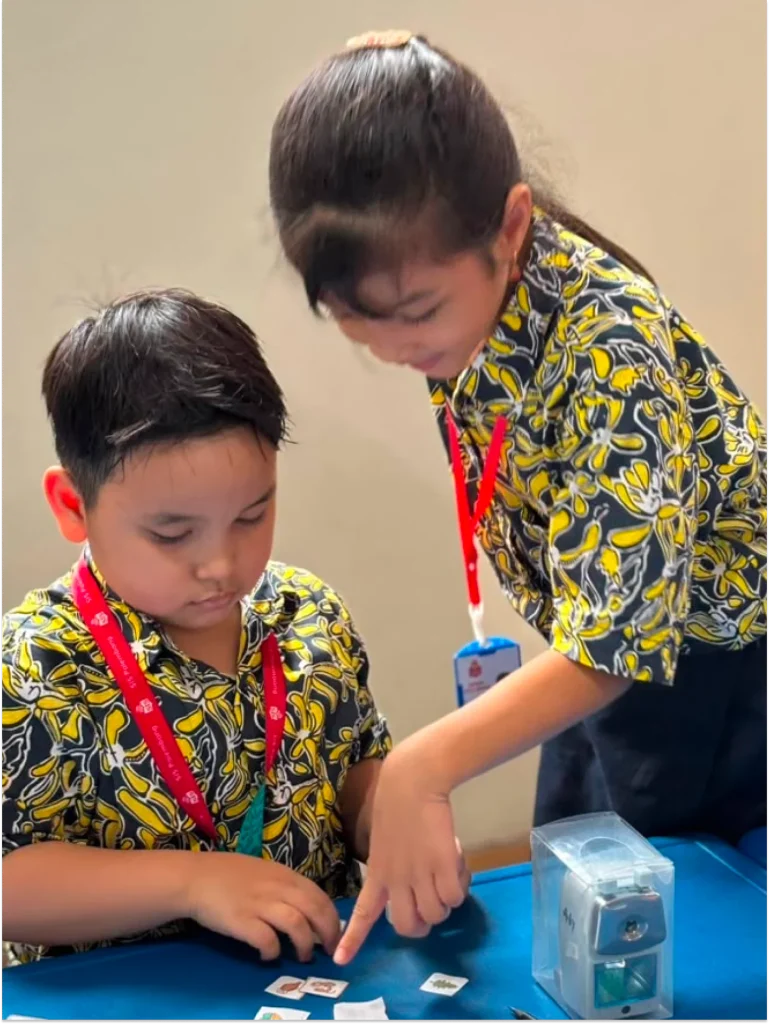
This supportive attitude can also be seen in other activities, especially in Mathematics lessons. Students learn not only to solve problems by themselves but also to work together and help their classmates.
In Mathematics learning, collaboration is practiced through peer teaching and group activities. After finishing their work, students have the opportunity to check their answers together with the teacher. Students who already understand the concept are encouraged to explain the steps to their friends using simple words.
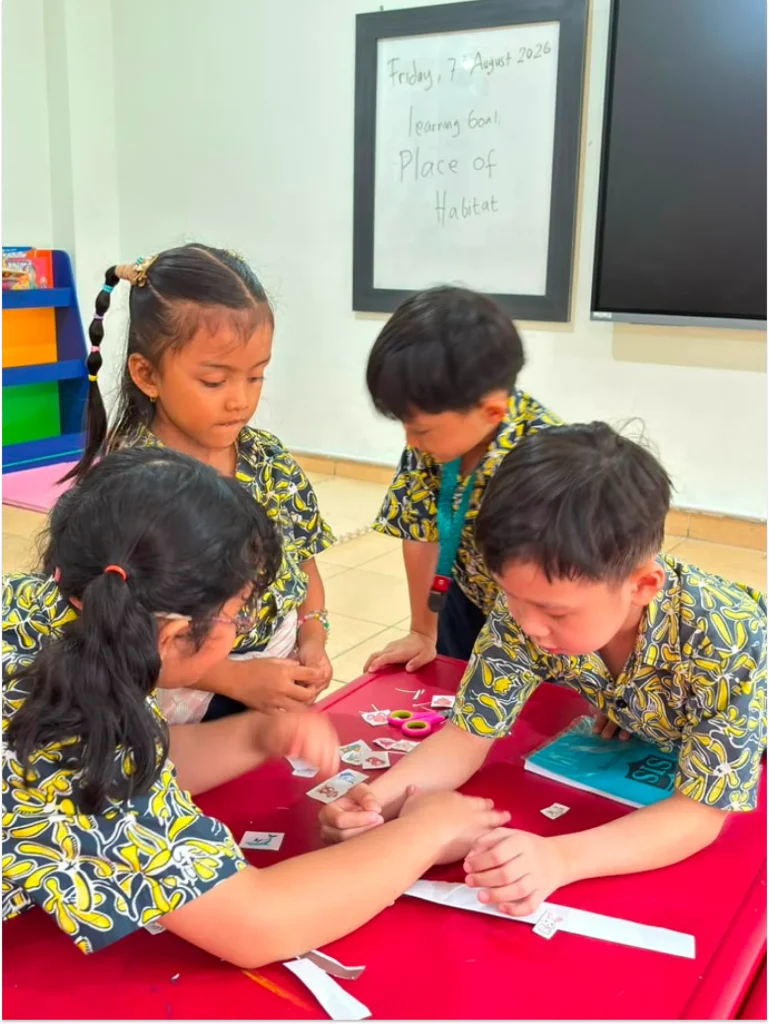
Besides peer teaching, students also work in small groups to complete worksheets with activities such as counting, cutting, and pasting. These activities help students practice Mathematics skills while learning how to share responsibilities and cooperate with their group members.
At the beginning of group activities, some students were more active while others were still quiet. To help everyone become involved, students are reminded that group work is a shared responsibility and every person has an important role.
Students are guided to choose their own roles, such as counting, cutting, or pasting, so everyone can take part. Over time, students become more comfortable working together, listening to their friends, and helping each other when they face challenges.
Through these collaborative activities, students develop not only their academic skills but also their confidence, responsibility, teamwork, and care for others.
Learning Approaches: Building a Collaborative Classroom Culture
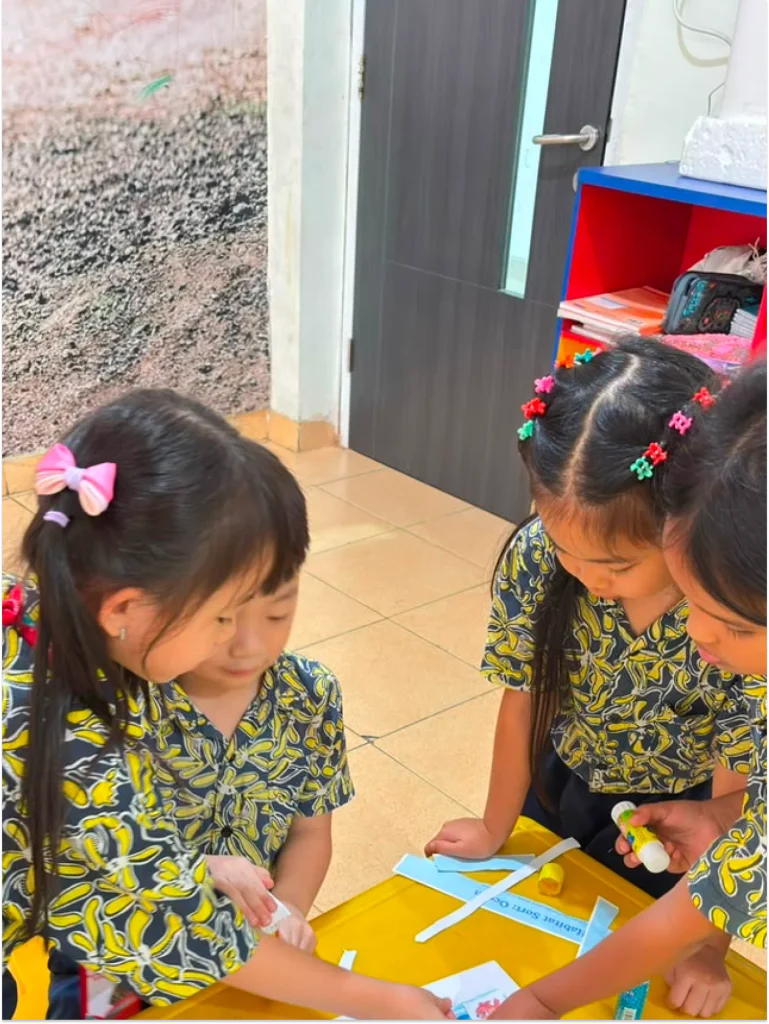
Collaborative learning has become a regular part of classroom practice. Students are given opportunities to learn together through group activities and peer support.
Through these experiences, students understand that learning does not only come from the teacher but also from their friends. Students who help others learn how to share their knowledge, while students who receive help become more comfortable asking questions and trying new things.
A positive classroom environment is continuously built so every student feels comfortable, involved, and supported. This helps students become more confident to participate, explore, and show their abilities.
From the students’ perspective, this learning approach makes lessons more enjoyable and meaningful. Students enjoy working with their friends, sharing ideas, and completing tasks together. They feel proud when they can solve problems, help their friends, or achieve something during the lesson.
Students also become more motivated when their efforts are appreciated, for example through points or positive recognition after completing an activity. These small achievements encourage students to keep trying and build their confidence.
Because of these experiences, students often share stories about their learning at school with their parents at home. They talk about the activities they did, what they learned, and the achievements they received during class. Especially after group activities, students are excited to tell their parents about how they worked together and completed tasks as a team.
For parents, these stories help them understand their children’s learning experiences at school. They can see that their children are not only learning new things but also developing important skills such as communication, teamwork, independence, and responsibility.
Through collaboration, peer support, and active participation, students are encouraged to grow based on their own abilities and have a positive and enjoyable learning experience.