
How to Deal with Naturally Gifted Children
Strategies for Nurturing and Supporting Naturally Gifted Children
Intro
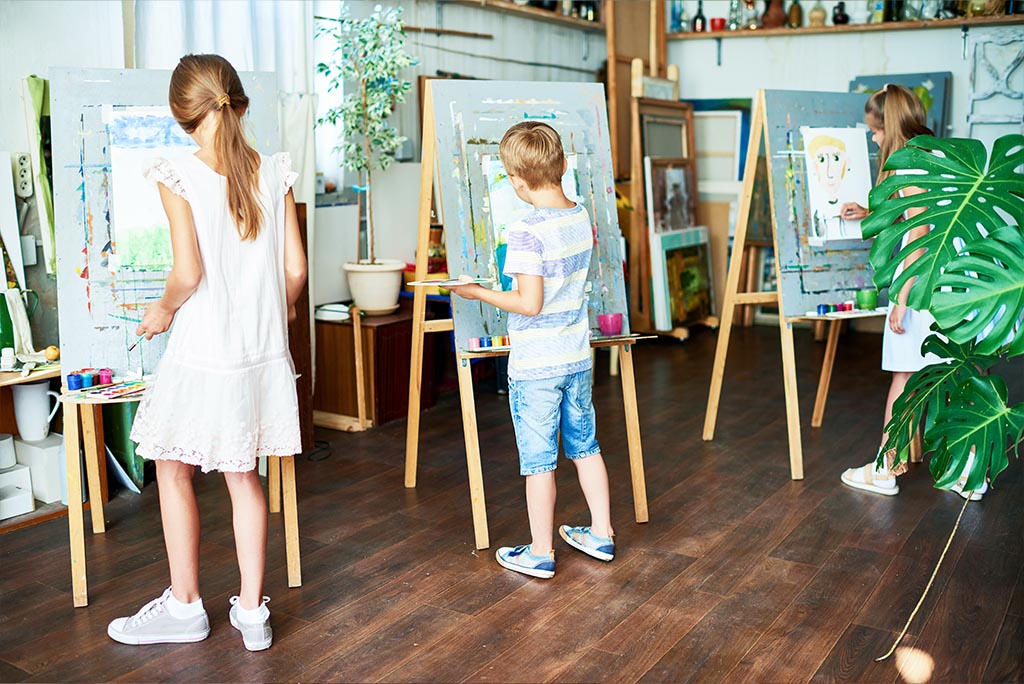
Nurturing naturally gifted children requires a lot of thought in terms of nurturing and supporting their special needs. Such children often manifest extraordinary abilities early in their lives. Specialized educational strategies are essential for them right from their pre-school to junior college-aged students. Parents and teachers have the daunting task of assessing a school that is ideal for these children to study in. Only when properly identified and guided will such children bloom into talented personalities and achieve success in their lives.
Parents have an important place in the process of realizing a child’s gifts and selecting appropriate educational institutions that will nurture their advanced scholastic needs. This may incorporate assessment of different education alternatives available, from specialized programs operating within public schools to private institutions with challenging academic curriculums. Schools should provide appropriate programs and resources to challenge and involve their gifted students in trying to ensure that intellectual growth does not stall or become stunted because of boredom, which can encourage non-participation. Advanced learning materials, enrichment activities, and mentorship opportunities conjoin to form the balanced education.
Guidance and help to these children with proper resources also works outside the four walls—it gives them emotional and social intelligence in showing empathy, resilience, and social skills. The social challenges of the gifted child can be especially unique, for example, feeling different from peers or coping with huge expectations and perfectionism. There is, therefore, all the need to further provide a supportive environment wherein they might express their feelings, share their experiences in life, and build meaningful relationships. It is terribly important to help them learn proper patterns of social behavior by modeling group activities and teaching empathy.
The article revisits some of the ways through which naturally gifted children will have to be brought up, first by identifying their gifts, challenging them with education, and ensuring all-around growth. Generally, parents and educators will be better able to meet identification requirements to set a climate that makes especial children excel academically, socially, and emotionally. In collaborative terms, this means that gifted children can be given the necessary support toward realizing their potential and making a positive difference in society.
Recognize and Embrace Their Special Talents
Naturally gifted children mostly exhibit exceeding competencies in certain fields at the early stages of their lives. This might be in mathematics, music, art, science, or even language. Identifying such special potential in them and acceptance of them as they are is very important for developing and living their lives in general. Not only does it involve identifying their strengths, but it also involves giving room for growth, specially designed educational experiences, and a supportive environment.
Identifying Talents Early
The first step in the nurturing of naturally gifted children is the early identification of their area of talents. Parents and educators have to be observant and totally vigilant vis-a-vis the child’s interests and natural abilities. Gifted children basically tend to exhibit the finest problem-solving skills, creative thinking, and inquisitiveness about knowledge that surrounds their life. They may learn to read early or excel in difficult mathematical concepts and show remarkable ability in arts or music. Knowing these signs can thus help in the provision of the necessary support and resources that foster their talents.
Tailor-Made Educational Experiences
When their talents are recognized, then they should get educational experiences tailored to suit their unique abilities. Standard curriculums usually do not meet the needs of the kids and result in boredom for children who are gifted. Advanced learning materials, special programs, and enrichment activities challenge and stimulate their interest in learning. For instance, a child with a math gift can be given advanced math classes, math clubs, or competition maths. Likewise, if a child is musically inclined, he may be enrolled in specialized music classes, offered periodic performance opportunities, or even provided with mentors in that field.
Celebrating Successes
Embracing a child’s special abilities also includes rejoicing in his success. Positive reinforcement enhances self-esteem and serves as a drive. Their successes, no matter how big or small, should be acknowledged so they can feel appreciated and understood. Show them encouragement; commend their effort and dedication. This may be in forms of praise, awards, or even sharing with family and friends. This can not only boost their confidence but will also motivate them further in the pursuit of their passions.
Providing for Nurturing Environment
Gifted children require an overall nurturing environment. They need to be assured of their safety, understanding, and appreciation. For this, emotional support and understanding of their problems are essential. Gifted children can often have a lot of social and emotional problems, like feeling different from others, handling perfectionism, or living up to high expectations. Provision for a nurturing environment in which they could express their feelings, share personal experiences, and counsel should be provided. This might include regular conversations about thoughts and feelings, the promotion of hobbies and interests, and patience and understanding toward their needs.
Fostering a Growth Mindset
Finally, an emphasis on a growth mindset should be given across gifted children. As much as recognizing and celebrating talents appears to be relevant, it is equally important to teach them that effort, persistence, and resiliency matter. They need to learn how abilities may be created on the basis of diligent work and dedication. We can set up a strong base for lifelong learning and success by being supportive and guiding them on taking challenges, learning from the mistakes, and the need for persistence amidst adversity.
Provide Proper Challenging Educational Experiences and Resources
Most children who are gifted do not have the standard school curriculum to satisfy their advanced cognitive needs. For such children to really achieve their potential, they should be provided with expansive educational challenges and resources. This should come in the form of advanced learning materials, special programs, and enrichment based on interests and particular talents.
Advanced Learning Materials
Precocious children frequently understand the lesson’s gist much more quickly and process information faster than others, therefore find the learning materials in the classroom very easy. One of the strategies to keep them engaged is to offer advanced learning materials. These can include advanced-grade textbooks, accessing online class courses, and complex problem-solving tasks. For example, a child who has an aptitude for math, preferably in algebra, geometry, or calculus at his early age. These materials should be chosen based on the child’s current level of understanding but should also be challenging.
Specialized Programs
Placing children who are gifted in specialized programs designed for kids like them is also a crucial step. Such programs more often than not have a more advanced form of learning curriculum, allowing children to further study other subjects that interest them. Some schools and other learning institutions occasionally provide programs for gifted and talented young people to enable them to enjoy more challenging and stimulating academic environments. Such programs may include an accelerating regime whereby a child undertakes the standard curriculum in less time than usual and then advances to higher concepts.
Mentorship Opportunities
Mentorship opportunities are one of the best resources provided to gifted children. Mentors are capable of providing advice, assistance, and specialized knowledge in a specific area of interest for a child. A mentor could be a teacher, professional in the relevant field, or an older student who has gained experience and knowledge to share with a learner. For example, the kid interested in computers would like to have a mentor working in technology to help him see how all the things he learns get applied in real life and motivate him to work harder on his passions. Further, mentorship can help the gifted child in developing social and emotional skills as mentors offer pieces of advice on how to deal with problems and failures.
Enrichment Activities
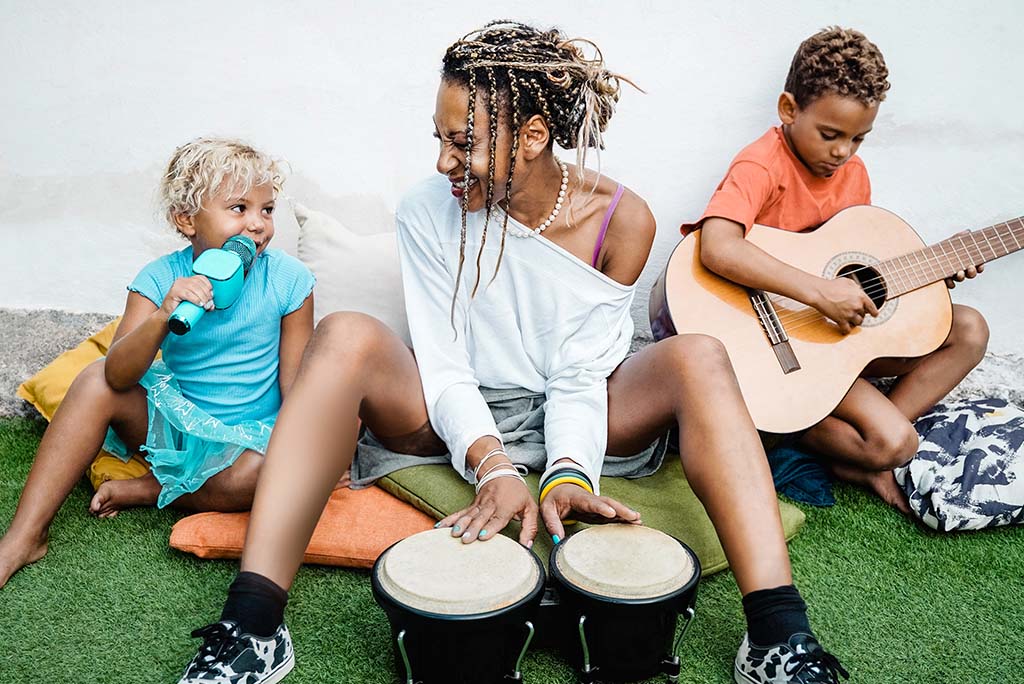
Enrichment activities form part of important tools that are used to provide educational challenges for the gifted child. The activities differ from the regular classroom processes as they include other after-school programs like science clubs, art classes, music classes, debating teams, and so on. This way, children can do things that are relevant to their interests and try to use this knowledge in person. For example, a child who is into science might fit well into a robotics club where they get to work on projects, attend competitions, and do some teamwork with like-minded peers.
Keeping Them Interested and Avoiding Boredom
Probably the most frequent problem among gifted children attending a regular classroom is boredom. In such situations, if the material taught is too easy, then, undoubtedly, children become bored, which might result in an absolutely negative attitude toward learning something new. We need to provide advanced materials, special programs, possibilities to work with mentors, and enrichment activities that will keep gifted children intellectually stimulated and challenged. This constant challenge is important for their cognitive development and keeps them interested in learning.
Individualized Learning Plans
Individualized learning plans for gifted children can make maximum allowance for their special needs and abilities. The ILP Richard Grandmont delineates specific goals, strategies, and resources which will be useful in attending to the child’s unique strengths. Such plans are developed cooperatively by the teachers, the parents, and the children themselves. Thus, all areas of the child’s growth are taken into consideration. By using this approach, teachers can challenge gifted children appropriately in an organized manner while their progress is monitored over time.
Foster Emotional and Social Development
Even though they are intellectually excelling, the gifted children might have special social and emotional problems that can interfere with well-being; thus, such needs should not be ignored but need special care along with cognitive development. Emotional intelligence and enabling social skills – important for developing the whole personality of children who are gifted. This comprises encouraging them to participate in group activities, teaching love and helping them develop stress and anxiety management strategies.
Encouraging Participation in Group Activities
At times, gifted children may feel lonely or misunderstood by peers. It’s therefore important to attract a child towards participating in group activities so as to socialize and build teamwork and communication skills. The activities that the groups should involve themselves in include sports, drama clubs, music groups, and science fairs. Through group work aimed at a common objective, gifted children will be involved in collaboration, sharing of ideas, and appreciation of different perspectives. In doing this, it will not only help culture social skills but also a sense of belonging and community.
Teaching Empathy
Empathy is one of the most important social skills that help gifted children in understanding and relating to the feelings of other people or their experiences. Teaching empathy primarily models compassionate behavior, openly discusses emotions, and encourages perspective-taking. This sensitivity to others can be fostered in children through literature, role-playing, and other real-life circumstances by their parents and teachers. Examples of useful activities are discussing feelings of the characters in a story and engaging in activities where they get an opportunity to see things from other people’s perspectives. That way, gifted children will have a chance to nurture meaningful relationships with others and smoothly pass through complex social situations with grace and understanding.
Coping Strategies for Stress and Anxiety
Furthermore, the gifted child is an easy target of more anxiety and stress inculcated by excessive sensitivities, perfectionism, and drive to excel. This hence calls for equipping them with techniques to deal with such feelings. Mindfulness, deep breathing, and journaling may do much to quiet the mind and lessen anxiety. This also involves ensuring regular exercise and time set aside for relaxation and hobbies concerning their emotional development. Teaching them problem-solving skills and positive self-talk even helps them contend with adversities and failures more presently.
Creating a Balanced Environment
The child should be provided with a balanced environment where he may interact with peers and develop friendships as part of holistic development. This can be achieved by providing them with the facility of socio-emotional activities within and outside the school. Organizing play-dates, joining clubs, and participation in community events can facilitate opportunities where gifted children come together with other children who may share similar interests and hobbies. We should also ensure that they acquire adequate time for free play and leisure-time activities so that they are able to ‘switch off’ themselves and enjoy their childhood.
Nurturing Emotional Intelligence
The key to the overall development of gifted children lies in their emotional intelligence. This encompasses self-awareness, self-regulation, motivation, and social skills combined with empathy. Fostering emotional intelligence in these individuals involves teaching them how to identify and regulate their emotions, set goals, and achieve them from an emotional perspective, before finally coming to enable them to understand and influence other people’s feelings. Such activities can be built into daily routines through emotional check-ins, reflective discussions, and goal-setting exercises. Emotional intelligence enables us to help gifted children overcome the vagaries of their emotional landscape towards the evolution of complete individuals.
Support Systems
Emotionally and socially, gifted children need support systems for their growth. These support systems involve having a network of understanding adults: parents, teachers, and counselors who can guide and help whenever necessary. Such peer support groups for gifted children could provide this outlet—in a safe environment—one can discuss experiences, problems, and personal triumphs with others who truly understand their special journey. These support systems, often necessary to validate and further support gifted children in their emotional and social development, play a rather critical role.
Conclusion
Nurturing and supporting naturally gifted children requires an all-rounded approach: meeting their intellectual, affective, and social needs. Parents and educators can achieve this if they will be able to identify their special talents, provide them with suitable educational challenges, and support their overall development. The following are some helpful things to consider:
- Early Identification: Observe and identify gifted children’s exceptional abilities and interests to provide with them targeted support very early.
- Individualized Educational Experiences: Educational experiences for gifted children should be characterized by intellectual challenge and stimulation.
- Advanced Learning Materials: Provide access to higher-level textbooks, online courses, and specialized programs to maintain their interest.
- Specialised Programs: Enroll them in specialized programs that help answer the advanced cognitive needs and interests of gifted children.
- Mentorship Opportunities: Pair the gifted child with a mentor who can provide the necessary guidance, support, and expertise in their area of interest.
- Enrichment Activities: Encourage participation in extracurricular activities that allow them to explore their interests in great depth and apply knowledge practically.
- Social Skill Development: Encourage them to interact socially and engage in group activities that would help your gifted child develop the necessary social skills.
- Emotional Support: Teach empathy, strategies to handle stress and anxiety, and emotional intelligence to support the emotions of these uniquely able learners.
- Balanced Environment: Provide a well-balanced environment containing structured and unstructured activities to aid in overall development.
- Support Systems: Instill a good support system, comprising empathetic adults and peer groups, that will help guide them and offer the needed validation of feelings.
By considering these factors, parents and educators can create a nurturing environment where gifted children can grow both academically and personally to their potential.
Take this 5-minute quiz to find out how naturally gifted your children are!
Papadopoulos, Dimitrios. (2021). Parenting the Exceptional Social-Emotional Needs of Gifted and Talented Children: What Do We Know?. Children (Basel). https://www.mdpi.com/2227-9067/8/11/953