
How to Notice if Your Children are Demotivated
Identifying Demotivation and Offering Support to Help Your Kids Stay Motivated
Intro
It is among the important tasks for identifying demotivation in children, as it often implies various negatively tainting impacts for their scholastic performance and, conversely, overall well-being from pre-school to primary, secondary, and junior college-aged students. Some of the important signs that can identify a child as being demotivated include falling grades in their academic work, behavioral changes, and disinterest in learning.
Parents must select effective demotivation identification and addressing strategies at the right juncture. Regardless of whether your child is a top-ranking student, international scholar, or studying in a local school, the principles behind the identification of demotivation signs are apt. The alteration in attitude about education can be demonstrated through identification of changes, which may signal that he or she may need some sort of support in a particular area. For instance, declines in grades, irritability, or withdrawal from activities that he or she used to enjoy are some red flags which raise concern.
This document shall give parents a guide on how to notice demotivation and what factors contribute to such, followed by how to take the needed action in order to keep the child motivated and involved in whatever learning moment they may be in. Early intervention can help the child maintain a good attitude toward education, an important aspect for success and happiness. Setting achievable goals, motivating with positive encouragement, and maintaining open forms of communication are some ways to go about creating an enabling environment.
Whether your child is in pre-school or junior college, knowing and working on the demotivation is more important for the educational and psycho-social development of your child. And parents can only help if they are proactive and can sense the demotivation beforehand.
Decline in Academic Performance
One of the most noticeable signs of demotivation in children is a decline in their academic performance. This comes in varied ways: an improvement on the grades they were once posted to get high scores, disappearance from classes of pupils who were once active, general withdrawal, or a decline in interest. When the students are motivated, they make a continuous effort in their studies, are active in class, and always try to do things on time. They generally are more participative, curious, and want to know everything about the subject. But once their interest is withdrawn, kids can have their performance severely deteriorated, which affects their academic experience at large.
Poor academic performance from a child can be a tricky issue with many roots, but a lot of them usually start from one very basic fact, which is a lack of motivation. For instance, a child who previously looked forward to doing their math homework now avoids it, or a student who enjoyed reading has stopped picking up a book. These shifts can appear somewhat minor at first but usually progress in sharply noticeable ways over time. Perhaps teachers have noticed a laxity in class or that the standard of work submitted is falling. Parents may observe that their child spends less time on homework or needs constant reminding to do assignments.
One must understand that the slip in grades is not necessarily a reflection of abilities but is often just a reflection of current motivation. They feel a huge burden of work, are frustrated because they are unable to comprehend certain subjects, or quite plainly are just bored with what they are being taught. This lack of motivation may come from various sources, stemming from within, such as the pressures to be perfect, or external features such as family issues, social pressures, or any significant changes in their environment that they had recently encountered—for instance, due to a move or the loss of a loved one.
For example, consider a bright child who, after growing in mathematics, suddenly starts failing the subject. There will be one or more reasons for that: either he or she will find the new material very tough, or perhaps the student’s problems at home are overwhelming enough not to focus and take interest. In such a case, one needs to dig deeper and find the real reasons for their lack of motivation.
Early identification of these signals can be done by teachers and parents. Parents can be able to follow up on the academic performance of a child through regular communication with teachers, and any deviation may, therefore, be caught early. Parent-teacher meetings, progress reports, not-your-formal discussions can be able to give an insight into a child’s academic life and help in pointing out the areas of concern.
Once a drop in academic standards is detected, the next constructive step will have to be taken. Open and sensitive communication with the child is important. The parents and teachers should provide a safe environment where the child feels free to express their feelings and their issues without the fear of being judged or criticized. Open-ended questions relating to their school day, interests, and challenges, therefore, can place before us an insight into a child’s perspective.
Apart from emotional support and communication, practical help may also do the child a whole lot of good. It may involve the installation of improving study habits, breaking large assignments into smaller ones, and help with mathematics, physics, and chemistry. Advocating a balanced routine, where he provides time for relaxation, hobbies, and exercise, will also be very useful in reducing stress and increasing motivation.
This can also help boost the confidence of a child and create a positive attitude towards learning. Praising the efforts rather than the outcome would help develop a growth mindset, which would help create a view that challenges are opportunities for growth, not impossible barriers.
A decrease in academic performance is, therefore, a sign that should alert us to the possibility of loss of motivation in children. It is through their close affiliatedness with monitoring and keeping open communication, practical assistance, and emotional support that parents and teachers help a child go through his difficulties to regain his motivation to reach his potential. Such signs may be recognized and treated to avoid adverse effects on their long-term academic journey and general well-being.

Changes in Behavior and Attitude
A clear sign of the demotivation of a child is if changes in behaviors and attitudes can be noted. Such changes take the form of being more irritable, desiring less interaction with others, and generally not wanting to do that which used to be pleasurable. When motivated, children have the attitude, proactiveness, and will to engage in most of the tasks approached. They become inquisitive, eager, and willing to learn as well as have new experiences. However, when they are not, children who are demotivated show a different behavior and attitude. This may manifest in avoidance of difficult situations, disinterest in setting or achieving goals, and, overall, a disconnection from typical sources of interest. For example, a child who once loved playing soccer suddenly doesn’t want to go to practice or play a game. A student who once showed interest in scientific experimentation suddenly becomes less interested and wants to avoid scientific experimentation altogether. Behavioral changes are enough to make one think that the child is just overwhelmed, stressed, or perhaps isolated from their usual support systems.
Behavioral changes due to demotivation in children are either very subtle or markedly pronounced. For example, a child who is sociable by nature may begin to retreat from friends and loved ones in favor of solitude. Situations that they were generally unbothered by often make them irritated. This attitude may sometimes be taken as common mood swings, but when combined with the other factors, it definitely is a red flag.
Another critical indicator is that of attitude change. Therefore, a learner who was keen may develop negative thoughts and attitudes towards school or his/her abilities. They may use such sentences as, “I can’t do this,” or “What’s the point?” That shift in attitude—from positive to negative—can dramatically affect one’s willingness to try something or stick with it if it has a problem. This way, such negative self-talk can easily wear away their self-esteem with time, all the while making it ever harder for them to find any more motivating factors.
Parents and caregivers should pay close attention to such changes. The process of demotivation heavily affects the social life, self-esteem, and mental health of a child. A demotivated child becomes inward, resulting in isolation from social interactions, thus leading to loneliness and depression. They may also manifest their irritability or anger by taking it out on their loved ones, frequently at home. Such emotional expressions are typically calls for help, signals of the internal problems the child is facing, which he needs help with.
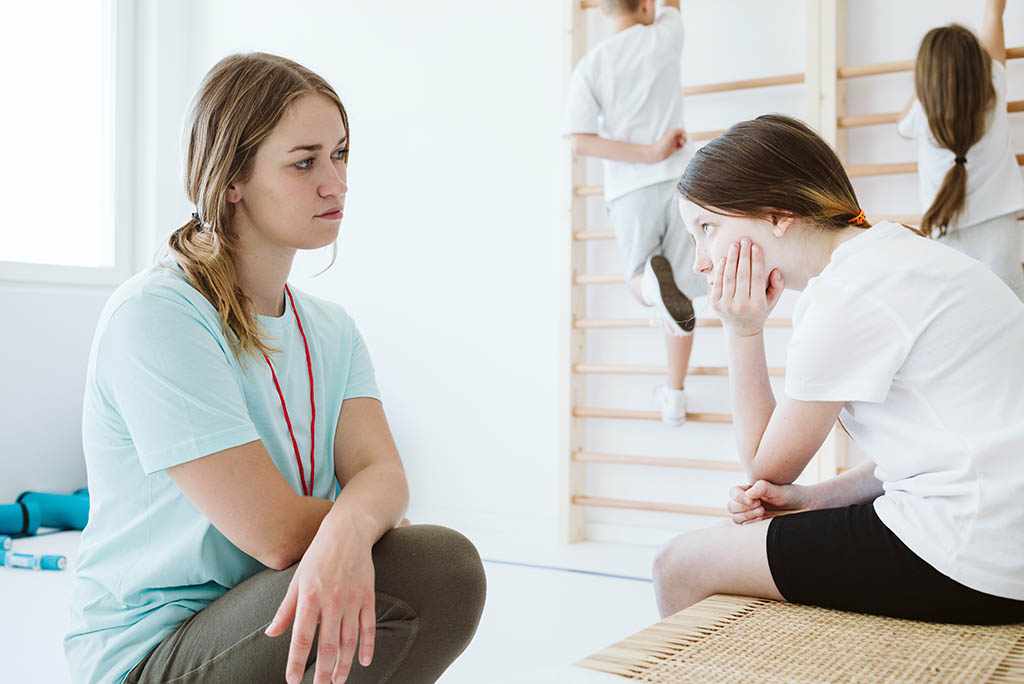
Recognizing these signs is very important, as this will give time for parents or caregivers to intervene before worsening the state. Prior to this, further importance will be laid on open and empathetic communication. Parents should offer this safe and non-judgmental environment where their children can express their feelings or concerns. Open-ended questions regarding how their day was, how they feel, or any challenges they are facing should be asked to assist in knowing what could make them demotivated.
It may involve supporting the child in managing his stress or in finding activities he would be able to reattach himself to things he used to enjoy. Support in pursuit of their interest may just help them to develop a passion for it again. For example, if a child, who used to participate in a particular sport or activity, has lost interest in it, he can be subtly encouraged back to that sport or similar activity.
Support for the child also means being practical: help the child develop better organizational skills, breaking a task into small parts, and helping the child get the resources the child will need to be successful. Scheduled time balanced with study periods, activity time, and some free time to relax will allow the youngster to learn how to manage his or her time in a way that does not make them feel overwhelmed.
In a nutshell, changes in the behavior and attitude are hallmark signs of demotivation in children. Being therefore observant of these and timely supportive may make it possible for the parent or caregiver to support the child in getting over his or her challenges, finding their motivation, and becoming balanced. Early intervention is therefore vital to avoid long-term negative effects on the mental and emotional states of the child.
Continuous encouragement and support are to be provided to children in the process of regaining motivation. Parents and caregivers provide a positive and nurturing environment to restore motivation. Some of these features include setting realistic goals and breaking them up into many small tasks, genuinely praising the efforts, and showing keen interest in the interests and activities of the child. Written communication is also a critical aspect, as the child can feel understood and appreciated just by listening to them and acknowledging that they have feelings of concern. In an ambience set by the parents, the child will have regained their motivation and enthusiasm for learning and growth.
Setting Out Realistic and Achievable Goals
The major ways of covert support are through encouragement by setting out realistic and achievable goals. A child feels so discouraged facing overwhelming, impossible tasks. The key is to break big goals into smaller, doable things in order for them to feel some sense of achievement with every small goal met. Not only does it diminish the perceived ‘bigness’ of the overall task, but constantly leaves doors of opportunity open for positive reinforcement. Celebrating these little wins helps in boosting the morale of the kid to take up even bigger challenges head-on.
Positive Reinforcement
The second part of eliciting motivation would be to provide positive reinforcement on a regular basis. A recent study revealed the fact that reinforcement from parents and teachers was equally important in improving the performance of children. One must focus on the effort made rather than just the outcome and should appreciate hard work and dedication toward his/her tasks. For instance, one can praise a child for trying to be persistent while solving a tricky math question, whether or not they eventually get the right answer. In this way, the child will learn to have a growth mindset—the idea that development comes through effort and persistence, that abilities are things that can change with time. Active Investment in Interests and Activities
Showing personal interest in a child’s concerns and activities also boosts motivation to a high extent.
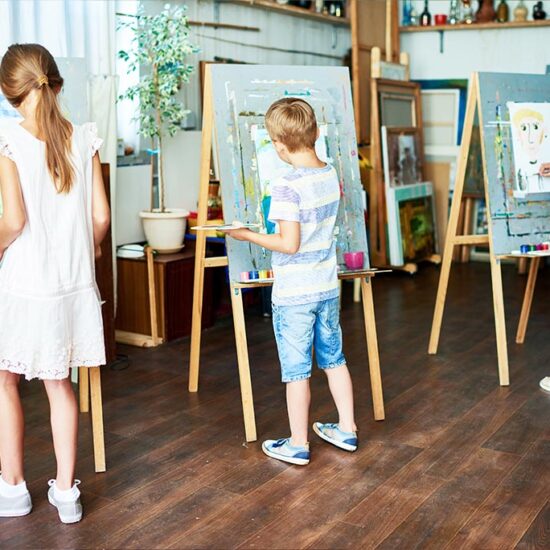
Showing a personal interest by sharing what they enjoy and even engaging in the activity together creates an environment of togetherness that makes the child feel drawn to the parent. For instance, a child who is interested in drawing can be helped by his or her parents to draw, attend drawing classes together, or parents can just hang kids’ drawings on the wall of a home. Being actively involved in such instances communicates to children that their interests matter and can receive support, which in essence, ignites that interest and passion back. Creating a Structured and Organized Environment
It may also come in the form of structuralized and organized environments. This can include creating a quiet, cut-off study space that is free from distractions, putting order in routine, or breaking down tasks into small, manageable steps. By providing an organized environment, the child will have the feeling of being in control and able to deal with their problems. In this way, there is less anxiety because the schedule of activities in the day is more predictable, especially in children who are highly organized in terms of daily routine.
Encouraging a Balanced Lifestyle
Any balanced lifestyle must be supported in the children besides academics. Children should be allowed to have time to relax, exercise, and socialize so that they are able to stay motivated and not be burned out. This kind of approach toward life will certainly lead to all-rounder well-being and can greatly influence a child’s love for learning. These will allow them to have a break from grave academic pressures by doing such things from which they find pleasure like sports, hobbies, or merely hanging out with their friends.
Open Communication and Emotional Support
Open and empathetic covers a lot when it comes to emotional support. A secured place where children can voice out their feelings and issues without the judgment and criticism can give them an understanding, valued feeling. Parents must teach children through active listening, validation of feelings, and constructive feedback. This approach not only helps address the current concerns but lays a strong foundation of trust that works both ways. Mutual respect is critical to long-term motivation and emotional well-being.
Conclusion
Useful Things To Consider
- Keep Tab on the Academic Activities: Regularly keep an eye on your child’s school performance and detect any sudden slump in grades or incomplete assignments.
- Speak With Your Child: Allow your child to pour out his/her feelings and fears and they will feel secure.
- Provide Your Child with Concrete Strategies: Your child should learn how to manage the studies more effectively, break tasks down into steps, and you assist where it’s needed, at home with difficult subjects in particular.
- Recognize Small Steps: Recognize the efforts and successes of your child by small steps; it is necessary to emphasize his/her work and not the result.
- Know the Sign for Behavioral Alterations: Increased irritability, withdrawal, or reduced interest in previously enjoyed activities. Promote a Balanced Lifestyle: Ensure your child participates in relaxing activities, exercises, and socializing, so he or she remains driven and not overwhelmed. Providing a Controlled Environment: Allow the child to have his or her own study space, develop routines, and go through the same daily schedule so that it can minimize anxiety.
- Be Involved: Express genuine interest in whatever hobby or activity your child may have, and participate in it with him or her to enhance bonding and offer additional support.
Keeping these points in view, the necessary support can be provided by parents and caregivers, which could help children pass through these hard times to bounce back with renewed motivation and high spirits. Well thought and timely interventions can prevent these debilitating effects in a child’s career as well as in life in general.
Learn more about how we keep your children motivated here!
Singer, Natasha.
SAK, Ramazan et. al. (2021). Motivation Strategies Used by Parents for Their Children in Different Levels of Education. Educational Research Association. https://ijer.inased.org/files/4/manuscript/manuscript_2605/ijers-2605-manuscript-194056.pdf