
The Meaning of Literacy in the Digital Era
Traditional literacy gave people access to knowledge, but digital literacy gives learners the ability to interpret, analyze, and create knowledge using technology. Digital literacy is not about screen time or knowing how to use gadgets. It is about learning how to find information, verify its accuracy, separate facts from opinions, and create original work responsibly.
Beyond Reading and Writing
For students today, reading a book or e-book and searching for information online are very different experiences. Books and e-books provide structured information, while the digital world offers endless information sources with varying degrees of credibility. Digital literacy empowers children to recognize credible sources, avoid misinformation, and understand the impact of the information they consume and share.
The Skills That Define Digital Literacy
Digital literacy encompasses several interconnected skills:
- Critical thinking: evaluating information rather than accepting it at face value.
- Information literacy: learning how to search, verify, and use knowledge effectively.
- Collaboration and communication: working with others using digital tools to share ideas.
- Creativity: expressing original ideas through technology, from digital art to coding projects.
- Digital responsibility: understanding privacy, ethics, and respectful online behavior.
These skills go hand in hand to prepare students for lifelong learning and leadership in a digital society.
Why Digital Literacy Matters
The Digital World is the Real World
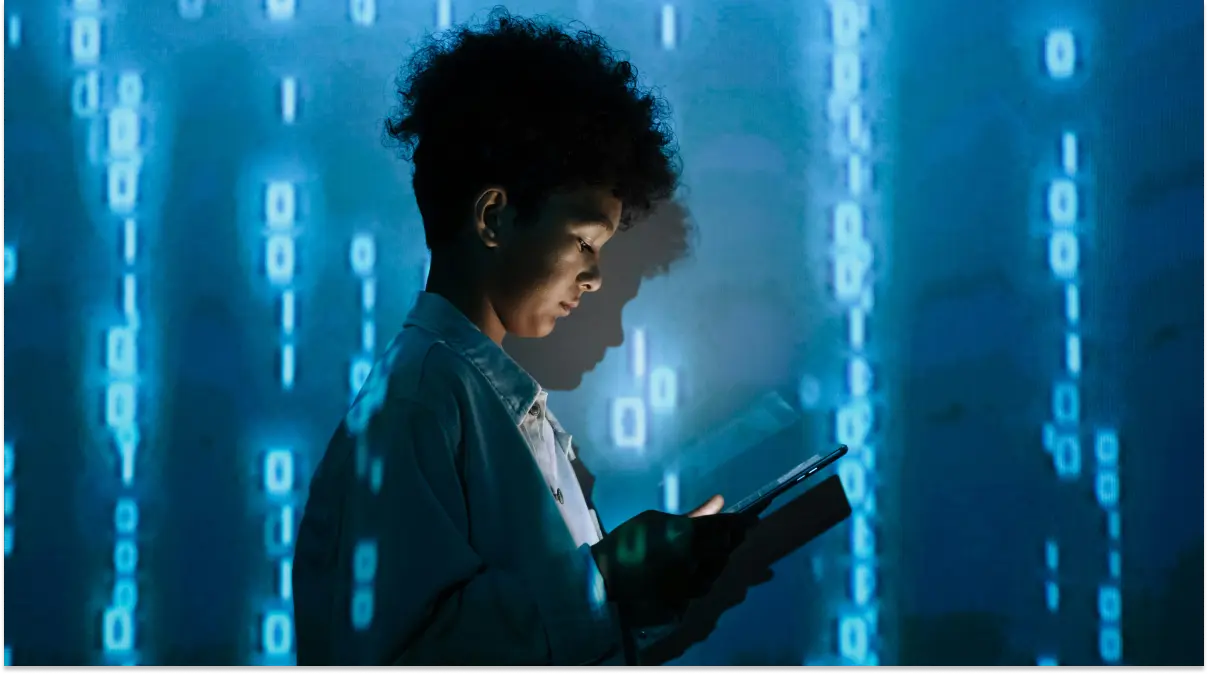
For today’s students, the digital world is not separate from reality. It is where they learn, play, communicate, and create. Without digital literacy, students may struggle with misinformation, online risks, or the inability to use technology for meaningful purposes.
On the other hand, students who develop strong digital literacy skills gain an advantage. They are better equipped to solve problems, adapt to change, and innovate. Digital literacy helps for success not only in school but also in future careers where technology is deeply integrated.
Preparing for the Future of Work
Jobs of the future will increasingly rely on digital skills. From engineering and medicine to art and business, almost every field uses technology as a core tool. Students who understand robotics, coding, and data analysis will have more opportunities.
At SIS, digital literacy education opens the door for students to explore areas like robotics and coding, where they learn how technology works and how they can use it to build solutions. These skills do more than prepare students for specific careers. They help them think logically, solve problems, and collaborate effectively with others.
The Role of Teachers in Developing Digital Literacy
Guiding Critical Thinking
Teachers are at the heart of digital literacy education. In the classroom, their role goes beyond teaching subjects like math or science. They guide students to question what they read online, to recognize reliable sources, and to differentiate between information and misinformation.
At SIS, our teachers encourage inquiry based learning. Instead of simply giving answers, they ask students to think critically and investigate. This method helps students become active learners who can approach digital information with curiosity and skepticism, not blind acceptance.
Encouraging Collaboration and Creativity
Digital literacy is not just about consuming knowledge but also creating it. Teachers encourage students to collaborate on projects using digital tools, whether it is designing a presentation, coding a program, or producing a video. These projects teach communication skills, teamwork, and creativity.
In every SIS classroom, students learn that technology is not only a tool for entertainment but also a platform for expression and innovation. By the time they graduate, they are not just users of technology but creators with the ability to shape their future.
The Role of Parents in Supporting Digital Literacy
Partnership Between School and Home
Digital literacy education cannot be left to schools alone. Parents play an equally important role in guiding children to use technology responsibly. Together, teachers and parents form a partnership that ensures students build positive habits and attitudes toward technology.
Parents can encourage curiosity by asking children about what they learn online, teaching them to question information, and modeling responsible digital behavior. At the same time, parents can set boundaries that promote a healthy balance between screen use, physical activity, and social interaction.
Teaching Responsibility and Confidence
Children need guidance to understand that their digital actions have real world consequences. Parents can help children learn about privacy, online safety, and respectful communication. By doing this, parents give children the confidence to explore the digital world while making responsible choices.
At SIS, we encourage parents to be actively involved in digital literacy development. Parent teacher collaborations create a strong foundation where children feel supported in both school and home environments.
Digital Literacy for Lifelong Learning
From School to Society
Digital literacy is not only an academic skill but also a life skill. Students who master it can learn independently, adapt to new environments, and contribute positively to society. In a world where knowledge changes rapidly, the ability to keep learning becomes more important than the ability to memorize facts.
SIS students learn to see digital literacy as a way to connect with the world, to lead with empathy, and to create positive change. Whether they are analyzing a global issue, coding a program, or collaborating on a community project, they know how to use technology as a tool for impact.
Building Future Leaders
Our goal at SIS is to prepare students not just for exams but for life. We believe digital literacy will help students to become future leaders who are thoughtful, innovative, and ethical. When students know how to question information, collaborate effectively, and use technology responsibly, they are prepared to lead in a globalized world.
Conclusion
Literacy in the digital era is more than a skill. It is the foundation for lifelong learning and leadership. At SIS, we are committed to guiding students to become digitally literate, critical thinkers, responsible collaborators, and creative innovators.
With the combined support of teachers and parents, our students are not only prepared to consume information but to question it, build with it, and use it for positive change. In doing so, they become future ready learners who can thrive in an ever changing world.