
What are International Schools Like?
Features and Benefits of Global Education
Intro
When evaluating the best educational options for their children, parents often consider the unique features and benefits of global education. International schools, particularly in top-ranked institutions in cities like Singapore and Jakarta, offer a distinct approach to learning that sets them apart from traditional scholastic environments. These schools employ diverse pedagogical methods and rigorous curricula, encompassing a range of programs from preschool to college students.

International schools provide an academically challenging environment through globally recognized curricula such as the International Baccalaureate (IB) and Cambridge International Examinations. These programs emphasize a balanced course of study in subjects like math and science, supplemented by experiential learning opportunities that enhance students’ understanding and application of knowledge. The focus on holistic education ensures that students are well-prepared for college and beyond.
Parents selecting an international school for their children often consider the institution’s global ranking and reputation for academic excellence. These schools are known for their high standards and innovative teaching methods, making them an attractive choice for families seeking a superior educational experience. As we explore the features and benefits of international schools, we will highlight how these institutions support students’ academic and personal growth, preparing them for successful futures in a globalized world.
Diverse Cultural Exposure and Multilingual Education
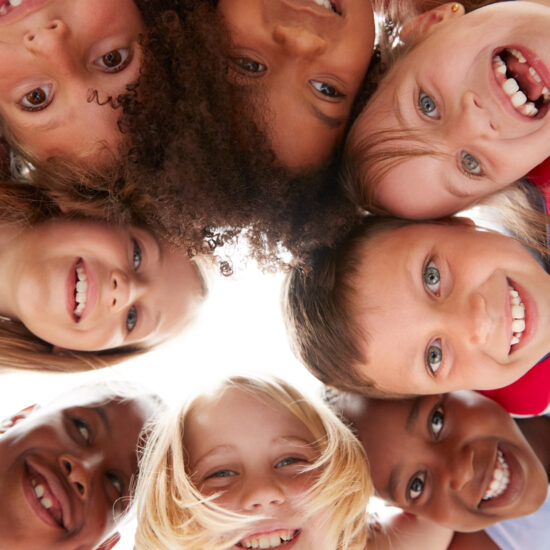
International schools serve as microcosms of the global society, bringing together students from a myriad of cultural backgrounds. This diverse cultural exposure is one of the most compelling aspects of international education, providing students with a unique environment that fosters a global mindset and enhances cultural sensitivity. Within the walls of an international school, the convergence of different cultures, traditions, and perspectives creates a vibrant and dynamic learning atmosphere that significantly enriches the educational experience.
One of the primary benefits of this cultural diversity is the development of a global mindset among students. Growing up and learning in an environment where multiple cultures are represented teaches students to appreciate and respect differences. They learn firsthand about various customs, traditions, and worldviews, which broadens their understanding and helps them become more empathetic and open-minded individuals. This global awareness is crucial in today’s interconnected world, where cross-cultural communication and cooperation are increasingly important.
Moreover, international schools often celebrate cultural diversity through various events and activities. Cultural fairs, international days, and heritage celebrations allow students to showcase their backgrounds and learn about others in a fun and engaging way. These events not only educate but also promote inclusivity and unity, helping to build a cohesive school community despite the diverse backgrounds of its members. Students participate in traditional dances, cook ethnic foods, and share stories about their heritage, creating a rich tapestry of cultural exchange that is both educational and enjoyable.
In addition to cultural exposure, international schools offer robust multilingual education opportunities. Learning multiple languages is a cornerstone of the international school experience, and students often become proficient in several languages by the time they graduate. This multilingualism is fostered through rigorous language programs that are integrated into the curriculum from an early age. Students typically study the host country’s language, their native language, and one or more additional languages, such as French, Spanish, or Mandarin.
The benefits of multilingual education are manifold. First and foremost, it enhances communication skills. Students who are proficient in multiple languages can communicate effectively with people from different parts of the world, which is a significant advantage in both personal and professional contexts. It also improves cognitive abilities; research has shown that multilingual individuals often have better problem-solving skills, enhanced memory, and greater mental flexibility. These cognitive benefits translate into better academic performance and a higher capacity for learning new information.
Furthermore, multilingual education fosters cultural understanding and sensitivity. When students learn a new language, they also learn about the cultures and traditions associated with that language. This cultural immersion deepens their appreciation for diversity and helps them understand different perspectives. For instance, studying Mandarin may involve learning about Chinese history, literature, and customs, thereby providing students with a more comprehensive understanding of Chinese culture. This cultural literacy is invaluable in a globalized world, where cross-cultural interactions are commonplace.
The diverse cultural exposure and multilingual education offered by international schools are pivotal in shaping well-rounded, globally minded individuals. By bringing together students from various cultural backgrounds and providing them with opportunities to learn multiple languages, international schools create an enriching educational environment that prepares students for the challenges and opportunities of the globalized world. The skills and perspectives gained through this unique educational experience are not only beneficial for personal development but also essential for success in an increasingly interconnected and interdependent world.
High Academic Standards and International Curriculum
One of the defining characteristics of international schools is their adherence to globally recognized curricula, such as the International Baccalaureate (IB) or Cambridge International Examinations. These curricula are designed to provide a rigorous and comprehensive education that meets high academic standards, preparing students for higher education and global careers. The adoption of these programs reflects a commitment to excellence and ensures that students receive a well-rounded education that is respected and valued worldwide.
The International Baccalaureate (IB) program is renowned for its holistic approach to education, emphasizing intellectual, personal, emotional, and social growth. The IB curriculum is divided into four programs: the Primary Years Programme (PYP), the Middle Years Programme (MYP), the Diploma Programme (DP), and the Career-related Programme (CP). Each program is tailored to different age groups and developmental stages, ensuring a continuum of education from early childhood through to pre-university years.
The IB curriculum encourages critical thinking, research skills, and intercultural understanding. Students engage in a broad range of subjects, including languages, sciences, mathematics, arts, and humanities, promoting a balanced and interdisciplinary approach to learning. One of the hallmarks of the IB Diploma Programme is the Theory of Knowledge (TOK) course, which challenges students to reflect on the nature of knowledge and how we come to know what we claim to know. Additionally, the Creativity, Activity, Service (CAS) component encourages students to engage in artistic pursuits, physical activities, and community service, fostering a sense of responsibility and community engagement.
Similarly, the Cambridge International Examinations (CIE) offer a rigorous academic framework that is recognized globally. The Cambridge curriculum is designed to develop learners who are confident, responsible, reflective, innovative, and engaged. It includes programs such as Cambridge Primary, Cambridge Lower Secondary, Cambridge Upper Secondary (IGCSE), and Cambridge Advanced (AS and A Levels). These programs provide a clear path for educational progression and are benchmarked against international standards, ensuring consistency and quality.
Cambridge International Examinations emphasize the development of critical thinking and problem-solving skills. The curriculum is flexible and can be tailored to meet the needs of different learners, allowing schools to offer subjects that reflect their context and students’ interests. The IGCSE, in particular, is known for its rigorous assessment and diverse subject offerings, preparing students for the demands of higher education. The A Levels provide an in-depth study of subjects, enabling students to specialize and gain a deep understanding of their chosen fields.
The rigorous academic standards of these international curricula prepare students exceptionally well for higher education. Universities around the world recognize and respect the IB Diploma and Cambridge qualifications, often giving preference to students who have completed these programs due to their demonstrated ability to handle challenging coursework and their well-rounded education. The emphasis on research, critical thinking, and independent learning equips students with the skills necessary for success in university and beyond.
Furthermore, the international curricula focus on developing global citizens. The intercultural understanding and international-mindedness promoted by these programs are invaluable in today’s interconnected world. Students learn to appreciate diverse perspectives, work collaboratively with peers from different backgrounds, and approach global issues with empathy and insight. These qualities are essential for success in global careers, where the ability to navigate different cultures and contexts is increasingly important.
The high academic standards and internationally recognized curricula offered by international schools provide students with a robust and comprehensive education. The rigorous nature of the IB and Cambridge programs ensures that students are well-prepared for higher education and global careers. By fostering critical thinking, intercultural understanding, and a love for learning, these curricula help develop well-rounded individuals ready to contribute positively to the world. The education received in international schools is not only about academic excellence but also about shaping responsible, reflective, and engaged global citizens.
Comprehensive Extracurricular Programs and Personal Development
International schools are renowned not only for their high academic standards but also for their comprehensive extracurricular programs that play a crucial role in the holistic development of students. These schools offer a wide range of activities beyond the traditional classroom setting, encompassing sports, arts, and community service. Such programs are designed to foster personal growth, develop essential life skills, and provide students with a well-rounded and enriching educational experience.
Extracurricular activities in international schools are diverse and cater to a broad spectrum of interests and talents. Sports programs are particularly prominent, offering students opportunities to participate in various athletic disciplines such as soccer, basketball, swimming, tennis, and track and field. These sports programs are not only about physical fitness but also about teaching important values such as teamwork, discipline, and perseverance. By engaging in sports, students learn to set goals, work collaboratively with teammates, and overcome challenges, all of which are essential skills for their future endeavors.
The arts are another significant component of extracurricular programs in international schools. Students can explore their creative talents through music, drama, visual arts, and dance. Participation in the arts nurtures creativity, self-expression, and emotional intelligence. For instance, being part of a school band or choir teaches students about harmony, rhythm, and the joy of creating music together. Drama clubs and theatrical productions allow students to step into different roles, enhancing their empathy and understanding of diverse perspectives. Visual arts programs encourage students to experiment with different media and techniques, fostering innovation and critical thinking.
Community service is a cornerstone of the extracurricular offerings in international schools. These programs instill a sense of social responsibility and encourage students to contribute positively to their communities. Whether it’s organizing charity events, participating in environmental conservation projects, or volunteering at local shelters, community service activities teach students about the importance of giving back and making a difference. Engaging in these activities helps students develop a sense of empathy, leadership, and a commitment to social justice.
Extracurricular programs also provide a platform for students to develop leadership skills. Many international schools offer student government or leadership councils where students can take on roles of responsibility, organize events, and represent their peers. These opportunities allow students to practice decision-making, public speaking, and conflict resolution in a real-world context. Leadership roles help students build confidence, learn the importance of accountability, and understand the dynamics of leading and motivating a team.
Moreover, participation in extracurricular activities helps students discover and nurture their personal interests and passions. Whether it’s joining a robotics club, participating in a debate team, or engaging in gardening, these activities allow students to explore different fields and develop hobbies that can lead to lifelong pursuits. This exploration is crucial for personal development as it helps students build a well-rounded character and provides them with a sense of fulfillment and purpose.
The holistic approach of international schools ensures that extracurricular activities are integrated into the overall educational experience, providing a balanced education that goes beyond academics. These programs encourage students to manage their time effectively, balancing their academic responsibilities with their extracurricular interests. This balance is essential for the development of well-rounded individuals who are capable of handling multiple responsibilities and excelling in various areas of life.
The comprehensive extracurricular programs offered by international schools play a pivotal role in the personal development of students. By providing a wide range of activities in sports, arts, and community service, these schools create an environment that nurtures essential life skills, fosters personal growth, and helps students develop their unique talents and interests. Through these programs, students learn valuable lessons in leadership, teamwork, and social responsibility, preparing them to become well-rounded, confident, and engaged individuals ready to contribute positively to society.
Conclusion
Useful Things To Consider
- Cultural Exposure and Sensitivity
- International schools provide a diverse cultural environment that fosters global awareness and cultural sensitivity.
- Exposure to various traditions, customs, and perspectives enhances students’ understanding and appreciation of different cultures.
- Multilingual Education
- Opportunities to learn multiple languages improve communication skills and cognitive abilities.
- Multilingualism fosters cultural understanding and broadens career opportunities.
- High Academic Standards
- International schools often follow globally recognized curricula such as the International Baccalaureate (IB) and Cambridge International Examinations.
- Rigorous academic programs prepare students well for higher education and global careers.
- Comprehensive Extracurricular Programs
- A wide range of activities in sports, arts, and community service contribute to the holistic development of students.
- Participation in extracurricular activities helps students develop leadership skills, teamwork, and personal interests.
- Personal Growth and Development
- Extracurricular programs foster essential life skills such as discipline, perseverance, and time management.
- These activities provide a platform for students to explore and nurture their unique talents and passions.
- Leadership and Social Responsibility
- Opportunities to take on leadership roles in student government or clubs help build confidence and decision-making skills.
- Community service activities instill a sense of social responsibility and empathy.
- Balanced Education
- International schools offer a well-rounded education that balances academic rigor with extracurricular engagement.
- This balanced approach prepares students to handle multiple responsibilities and excel in various areas of life.
- Global Citizenship
- The education and experiences provided by international schools cultivate global citizens ready to contribute positively to society.
- Students learn to navigate the complexities of a globalized world with empathy, understanding, and a collaborative spirit.
- University and Career Readiness
- The skills and knowledge gained from international curricula are highly respected by universities worldwide.
- Graduates of international schools are well-equipped for the demands of higher education and the global job market.
- Positive Contributions to Society
- International school students are shaped into confident, empathetic, and engaged individuals.
- The comprehensive education received helps them make meaningful and positive contributions to their communities and the broader world.
Learn more about how we help your children reach their potential here!
Clapp-Smith, Rachel. (2009). Global Mindset Development During Cultural Transitions. University of Nebraska. https://core.ac.uk/reader/188081380
Cambridge International Institute. https://www.cambridgeinternational.org/support-and-training-for-schools/leading-learning-and-teaching-with-cambridge/guides-for-schools-and-school-leaders/implementing-the-curriculum-with-cambridge/